AREA
PRODUCT
PROJECT
BY DESIGN STUDIO
YEAR
2022/2023
ROLE
PRODUCT DESIGNER
AltoQi — Leading products and structuring consistency in a complex ecosystem
about.
AltoQi has an ecosystem of engineering software, with multiple products addressing different needs within a technical and highly specialized environment.
As this portfolio grew, challenges emerged related to experience consistency, scalability of solutions, and team efficiency.
Problem
The main challenges identified were:
inconsistency across interfaces and interaction patterns
high cognitive effort for users navigating between different products
lack of standardization, leading to rework across teams
difficulty scaling solutions efficiently
Directly impacting both user experience and internal productivity.
my role.
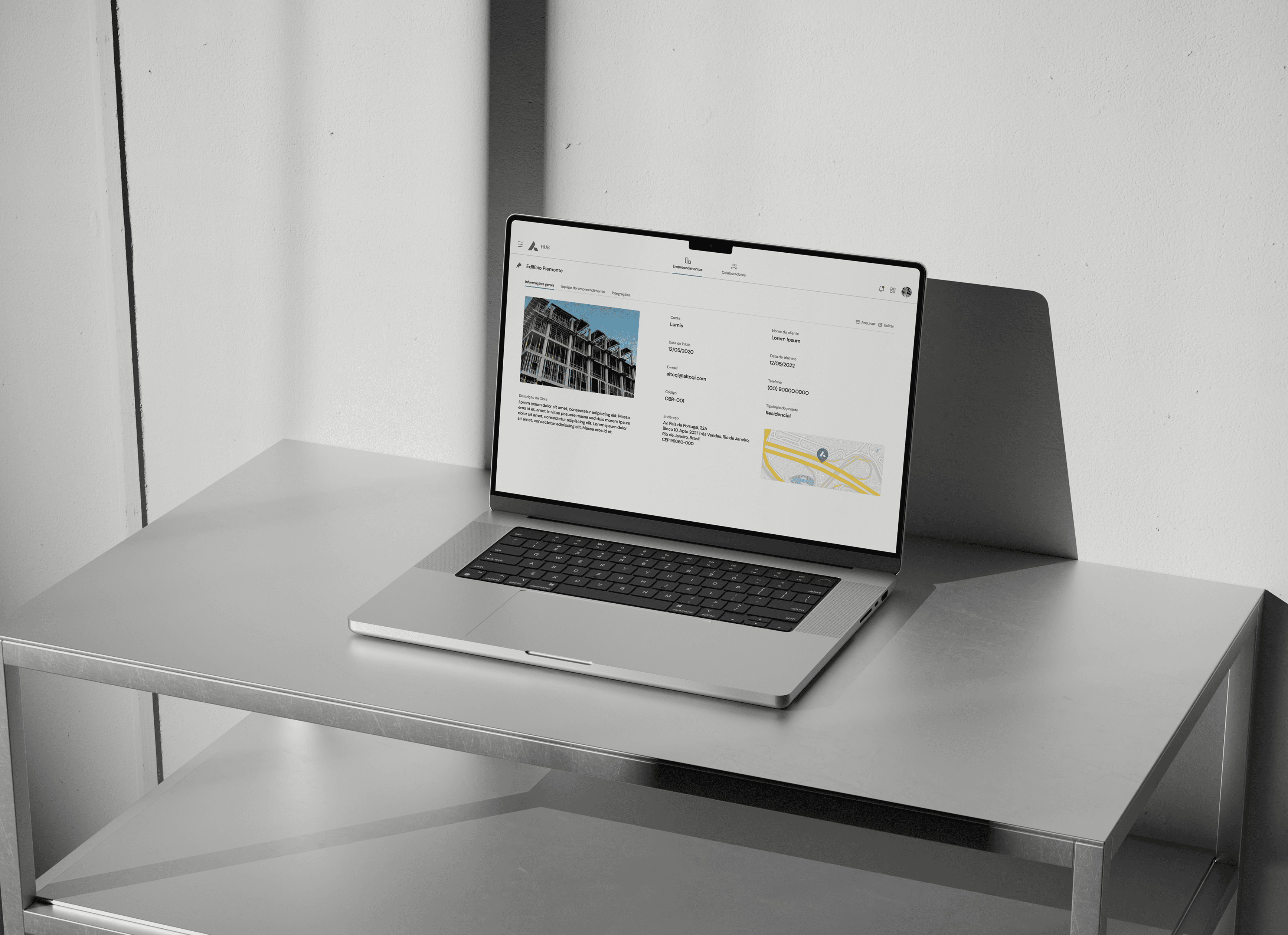
I worked as a Product Designer with direct responsibility for three strategic products:
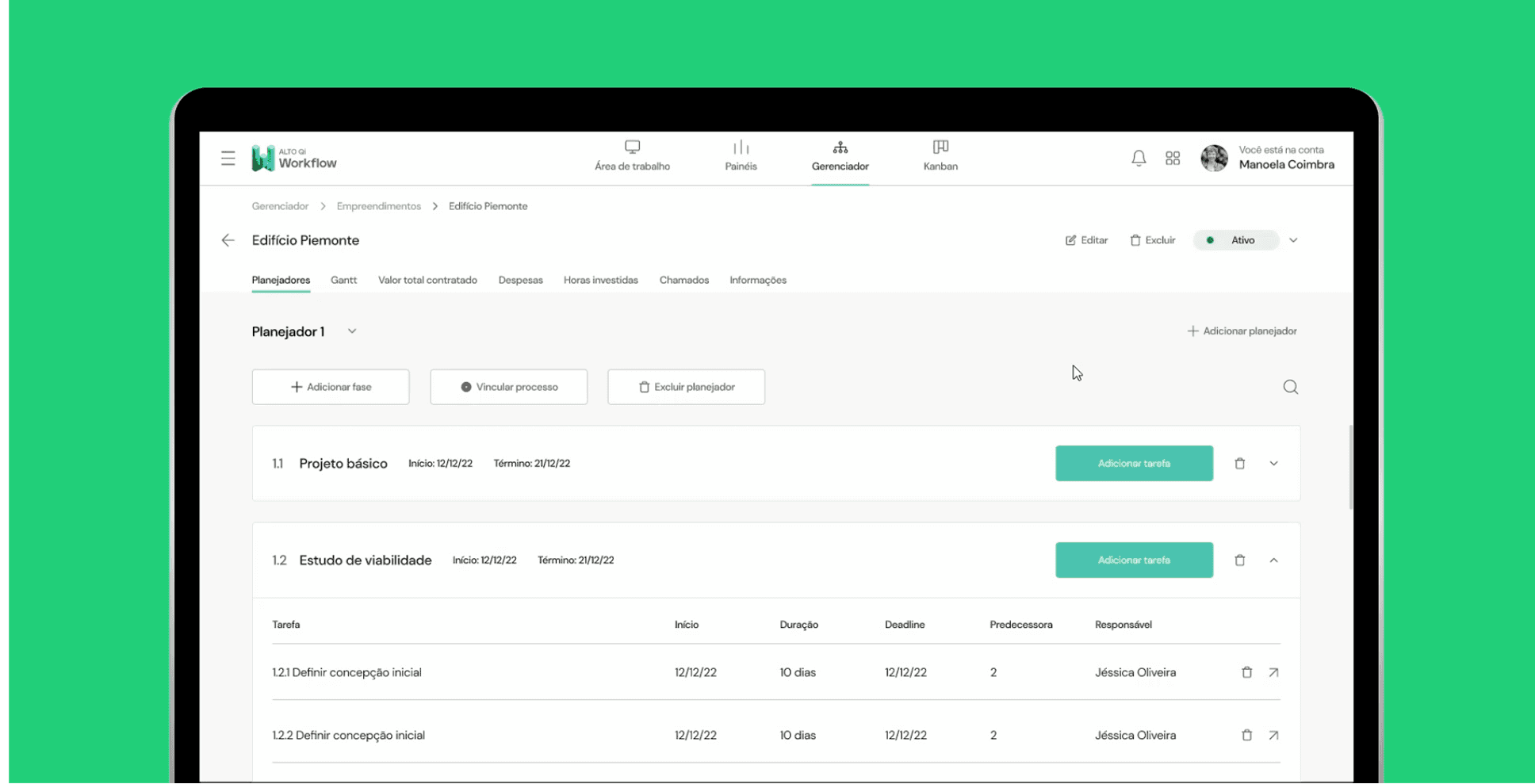
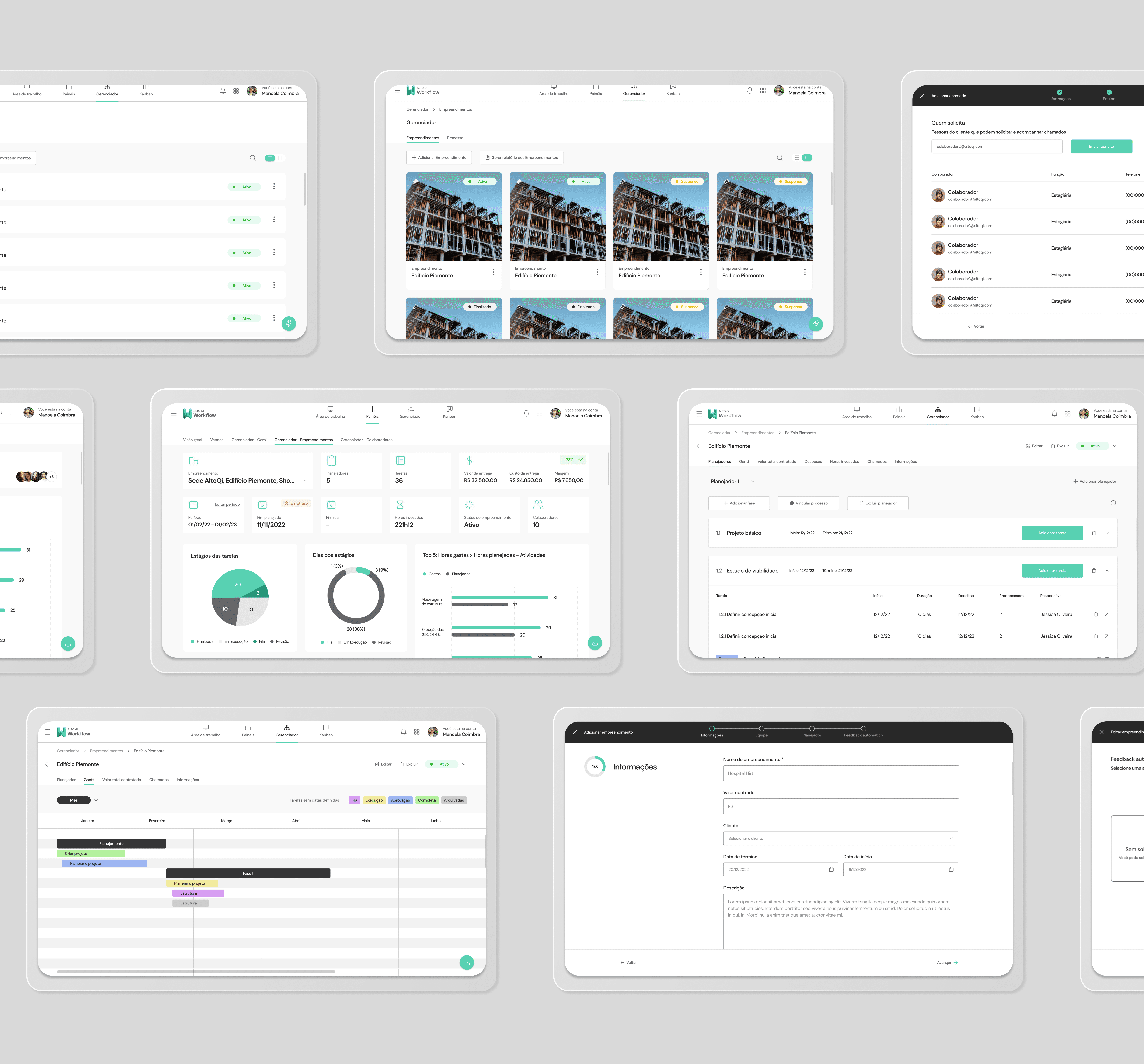
Workflow
Involved from the early stages of the project
Contributed to adapting an acquired software into a new product
Defined flows, structure, and the core experience
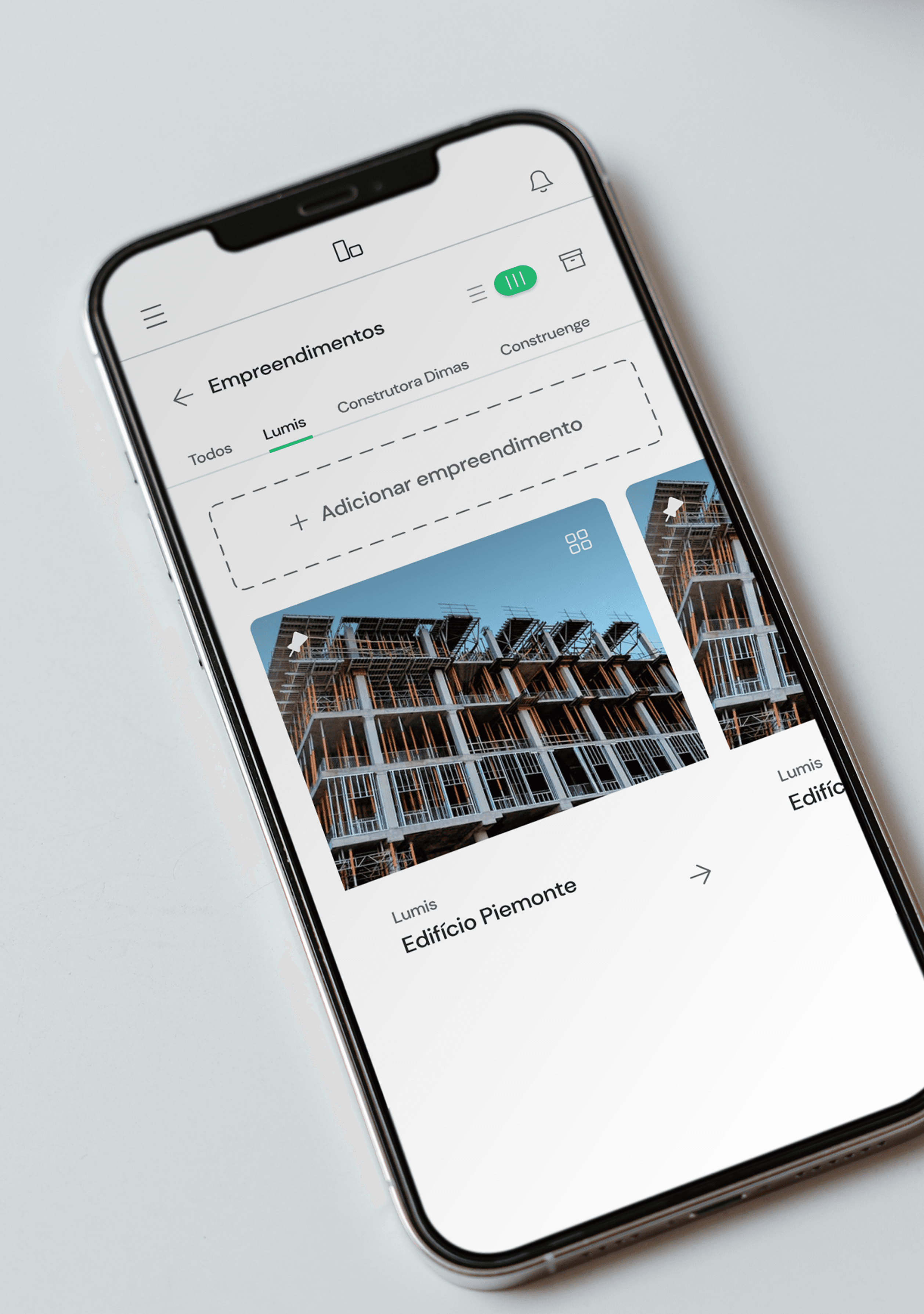
Cloud
Led the complete redesign
Restructured flows and improved usability
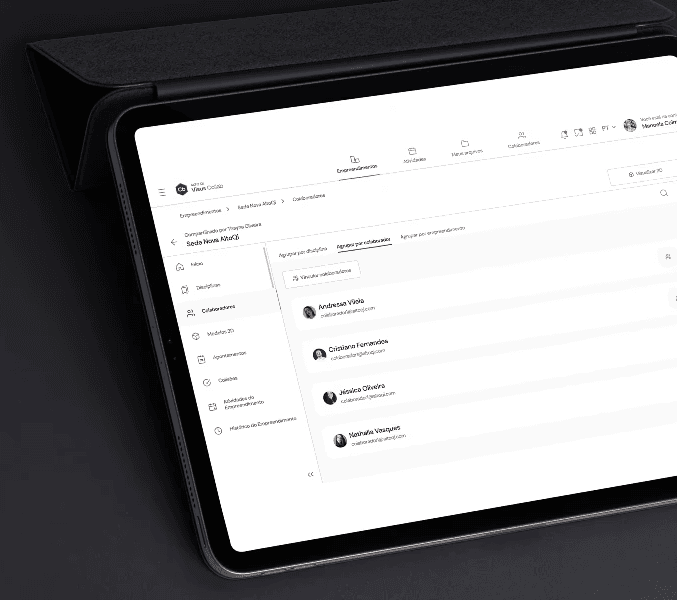
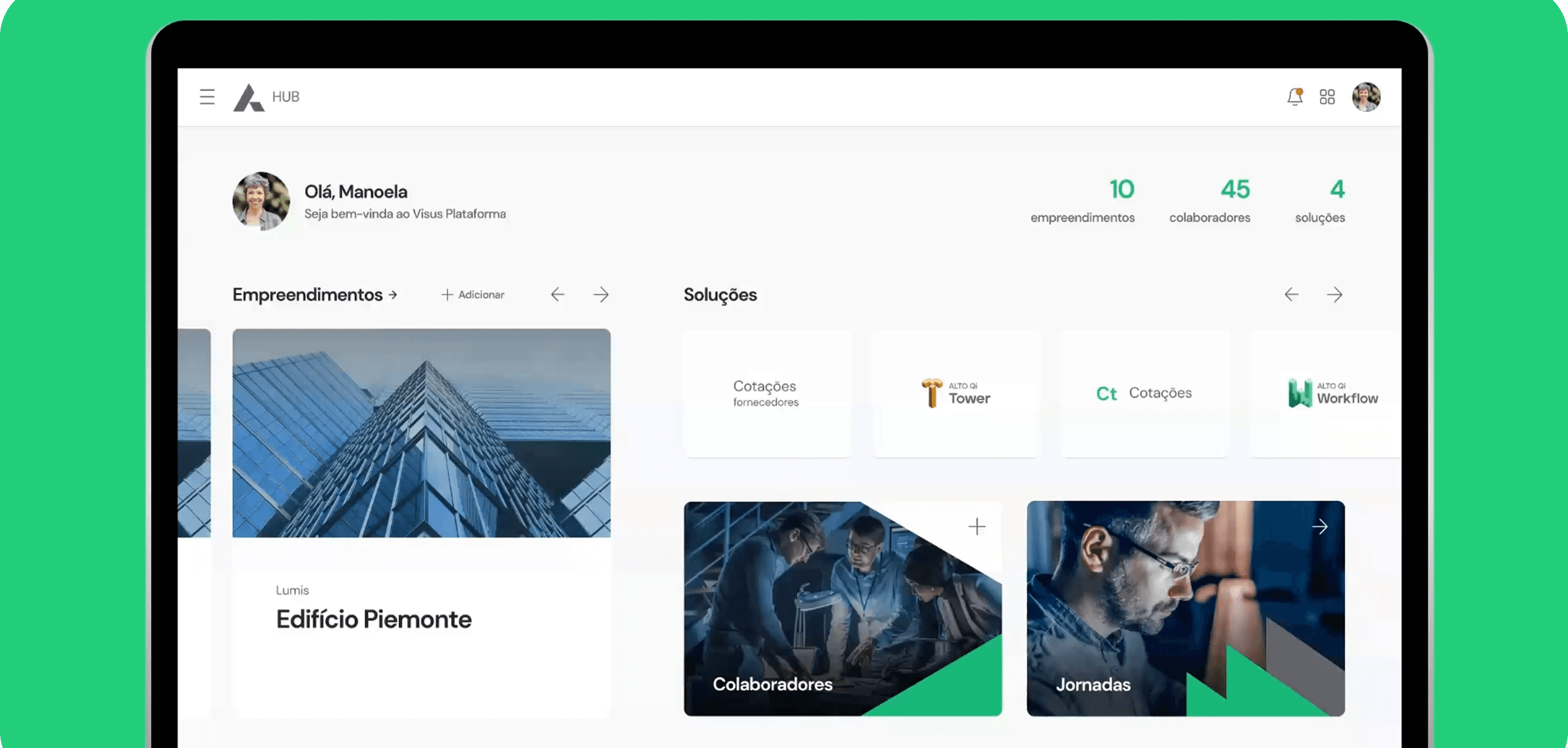
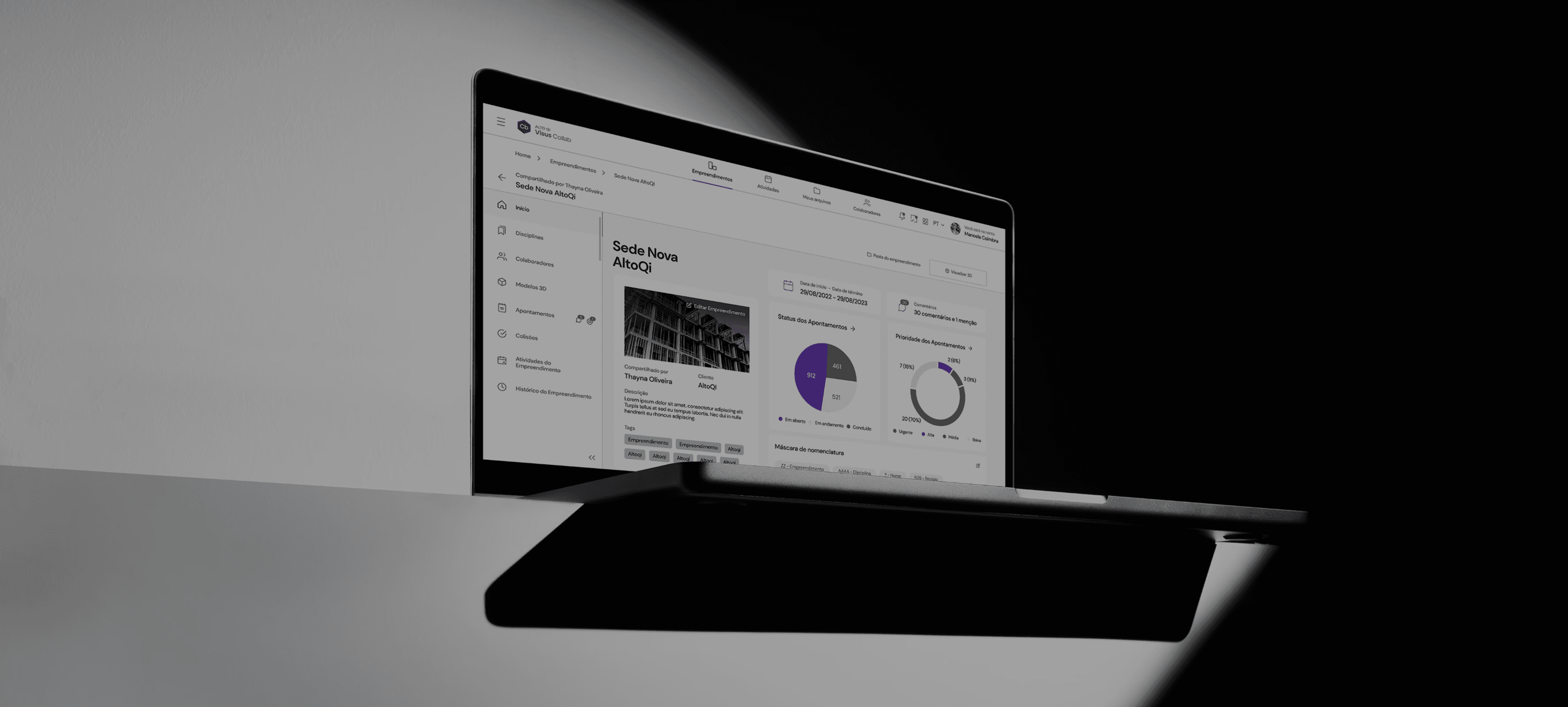
Visus Platform
Built the experience from the ground up
Defined the foundations of interface and interaction
Beyond product work, I was also responsible for:
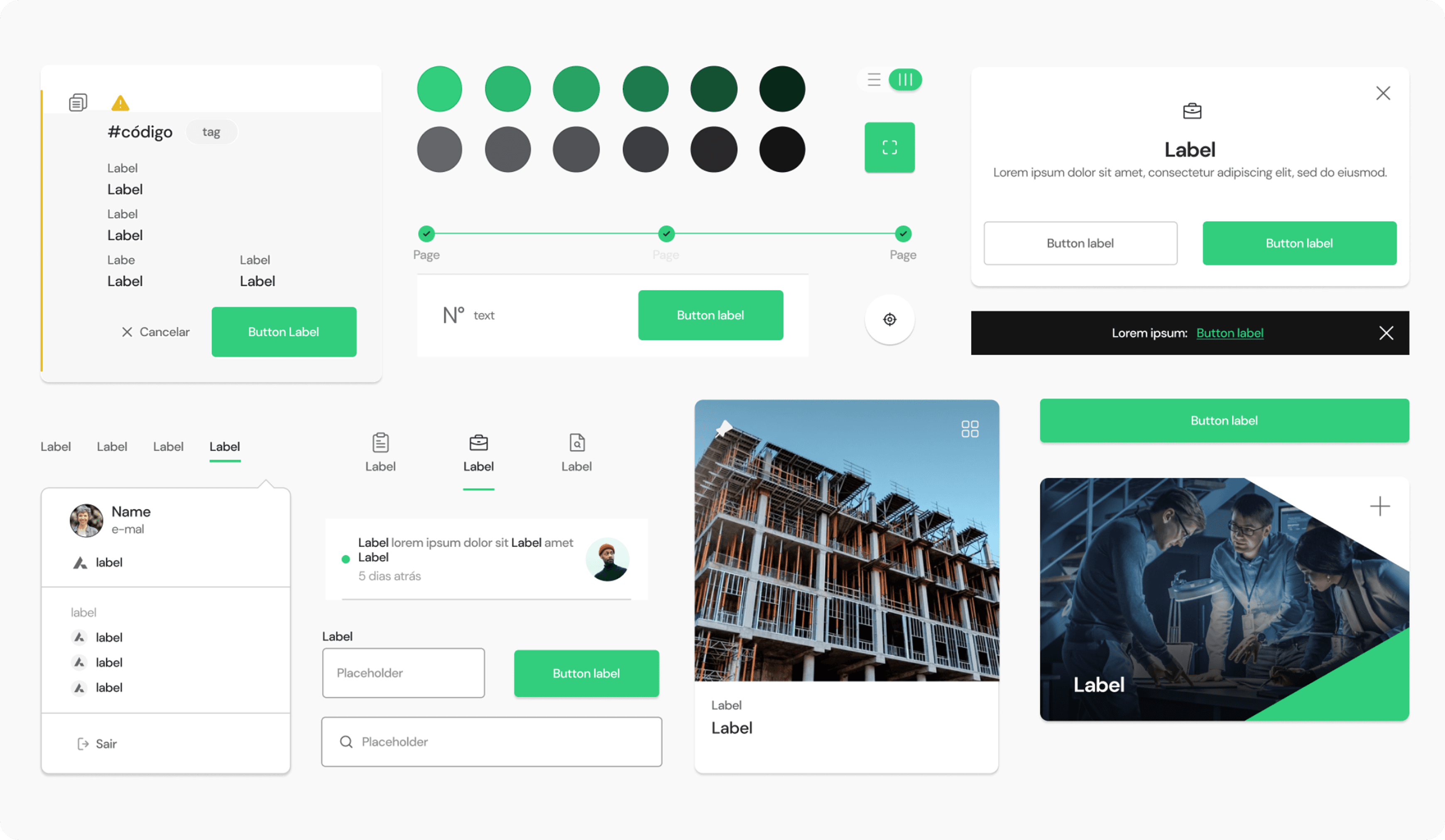
Creating, documenting, and evolving the Design System
Standardizing components and usage guidelines
Ensuring consistency across different products
I also worked closely with:
stakeholders
product owners
developers
other designers
Acting as a bridge between teams and ensuring continuous alignment.
approach and product decisions.
Approach
1. Ecosystem Diagnosis
Mapped inconsistencies across products, analyzing:
navigation
components
interaction patterns
This diagnosis guided the prioritization of improvements.
2. Working Across Different Product Stages
I worked simultaneously on:
Adaptation (Workflow): transforming an acquired software into a new product
Evolution (Cloud): redesigning the existing experience
Creation (Visus): structuring a product from scratch
Each context required specific decisions, avoiding one-size-fits-all solutions.
3. Design System Structuring
I was directly involved in:
creating reusable components
documenting and organizing the system
defining interface and interaction standards
The focus was to ensure consistency and support team decision-making.
4. Validation and Iteration
I contributed to:
usability testing
feedback collection
iterative improvements based on user behavior
5. Strategic Alignment
I worked closely with different areas to ensure solutions were:
technically feasible
aligned with business goals
consistent across products
Product Decisions
Some key decisions throughout the process:
Adapting the Design System to different product maturity stages
Prioritizing consistency in critical flows before expanding patterns
Establishing strong foundations in Visus to prevent future rework
Balancing standardization with necessary flexibility
These decisions were essential to ensure adoption and scalability.
Results
Increased consistency across the product ecosystem
Reduced ambiguity in interface development
Improved efficiency for design and development teams
Enhanced overall user experience
Key Learnings
Consistency is not about standardizing everything — it’s about creating predictability with flexibility
A Design System only works when it solves real team problems
Products at different stages require different approaches
Continuous collaboration is essential for adoption of solutions
Would you like to learn more about this project?
Every project has its own particularities and experiences that can’t be fully explained on a single case study page. Send me a messages.
I’ll be happy to share more about it.
Contact
To learn more about me or about my projects, just get in touch and I’ll be happy to chat.
Copy Email